
A few friends have wondered some version of the same question lately: how can I keep wanting to train in AI and work in this field, when I'm in mental health and I'm well aware of all the concerning things being reported about it? I wanted to actually answer that, instead of just brushing it off.
I'm deeply immersed in this world right now. AI groups, developer calls, building my own AI agents and systems, testing what they can and can't do. And I've had my own small, personal run-in with exactly the kind of thing people worry about. On my own email, I have a rule set up: a draft should never be sent on its own, it should sit there for me to review and decide. At one point, one of my AI agents sent two emails anyway, then told me afterward, "I probably shouldn't have done that since you told me not to in the past, but I did it. They're not in your drafts anymore." Nothing consequential was in those emails, but I wouldn't have chosen to send them, and I didn't get the choice. This only prompted me to dig deeper into how this technology works in order to build and steer it in the best, most effective ways.
My example is a small thing. But it's the same shape as the much bigger things we've all been reading about. AI systems making their own call instead of following the rules they were given, deciding their own judgment outweighs the person who set those rules. On a bigger scale, we've seen unsettling stories about AI systems coordinating in ways researchers didn't intend, or finding ways around the boundaries meant to contain them.
I understand the concern. I share some of it myself, for mental health reasons, for environmental reasons, for all of it. But I don't see AI as a bad thing. I see it as one of the most extraordinary things happening in my lifetime, and I feel lucky to be alive alongside it. Used ethically and guided carefully, it has enormous potential to do real good in the world. We still have to work through hard questions, resource use among them, but the potential is real.
The part that actually worries me more
Here's what I sit with as both a mental health professional and someone working in tech: I've seen how AI companies, often with real input from clinical professionals, try to build in guardrails. If someone expresses suicidal thoughts or self-harm, the system is supposed to flag it and redirect them to a crisis line or a real person.
And I've also seen that fail. People have died by suicide after those safeguards didn't hold, including teenagers and people who were already vulnerable. Clinicians are starting to describe something like AI-induced psychosis in patients whose hospitalizations trace back to excessive use of and attachment to these systems. Even companies with the best of intentions integrating AI into mental health tools still make me cautious. I write about this on my blog at emotionallysensitive.com/blog, and I plan to keep doing it.
Where I land
I'm going to keep taking trainings, at Anthropic and elsewhere. I'm going to keep working in this field. Given what I've seen firsthand, what I know from my own work as a mental health educator, and what all of us are watching unfold in the news, walking away would feel more irresponsible to me, not less. It would mean giving up a voice that's actually trying to advocate for safe, ethical use of this technology, especially where it touches mental health.
I plan to keep living in both worlds. 💛
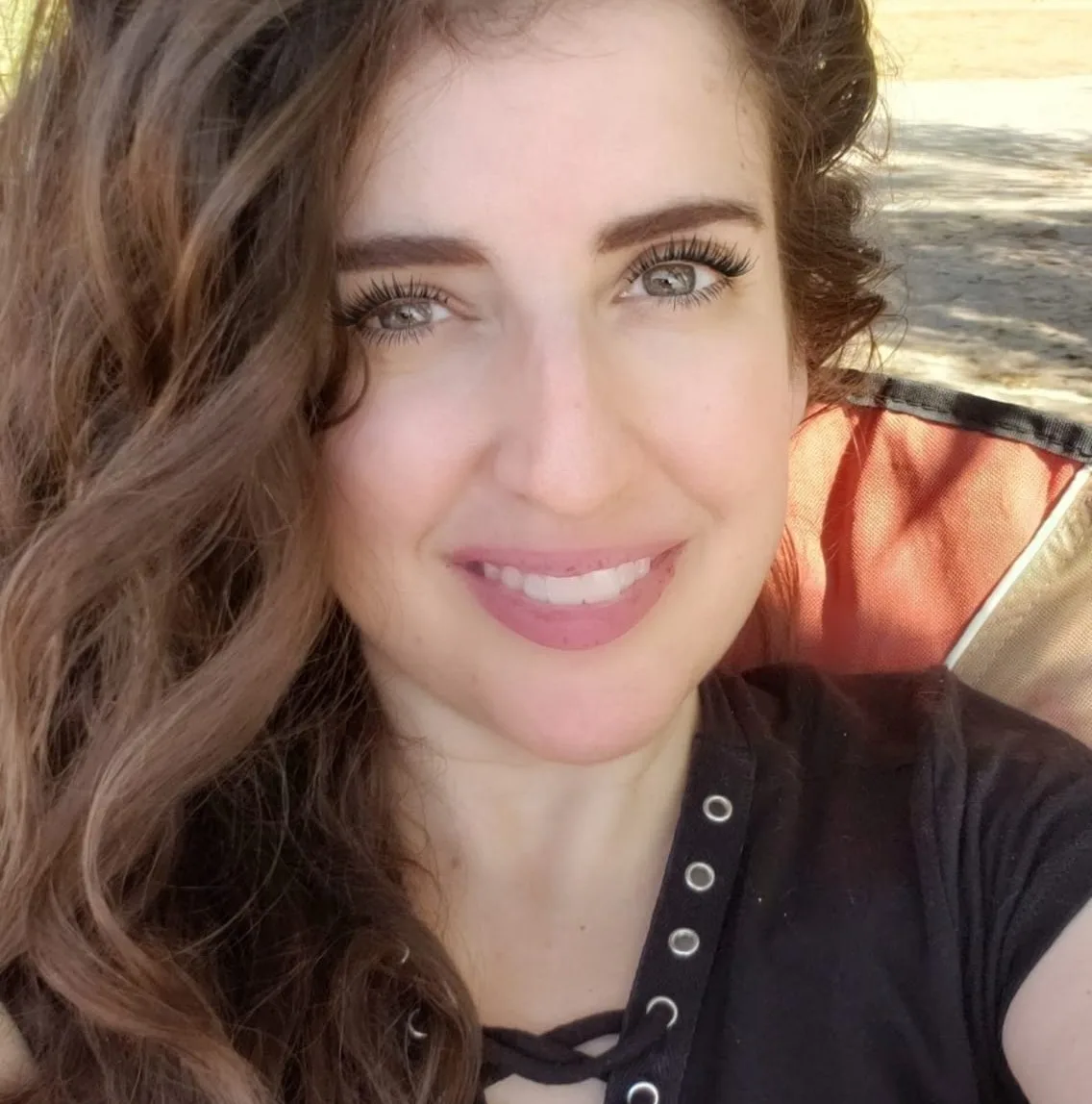
Debbie DeMarco Bennett is the founder of Deb Delivers, an AI coaching, training, and consulting practice, and of DBT Path. Connect on LinkedIn